Fall Lawn Aeration in Chatham
Core aerationis the most effective way to fix a hard, compacted, water-shedding lawn — and in Chatham’s heavy clay soil it matters more than almost anywhere in Ontario. A core aerator pulls thousands of small plugs of soil, opening up compacted ground so air, water, and nutrients can finally reach the roots. The best time to aerate here is early fall, and it works best paired with overseeding. Chatham Lawn Care provides true core aeration for lawns across Chatham and the wider Chatham-Kent area.
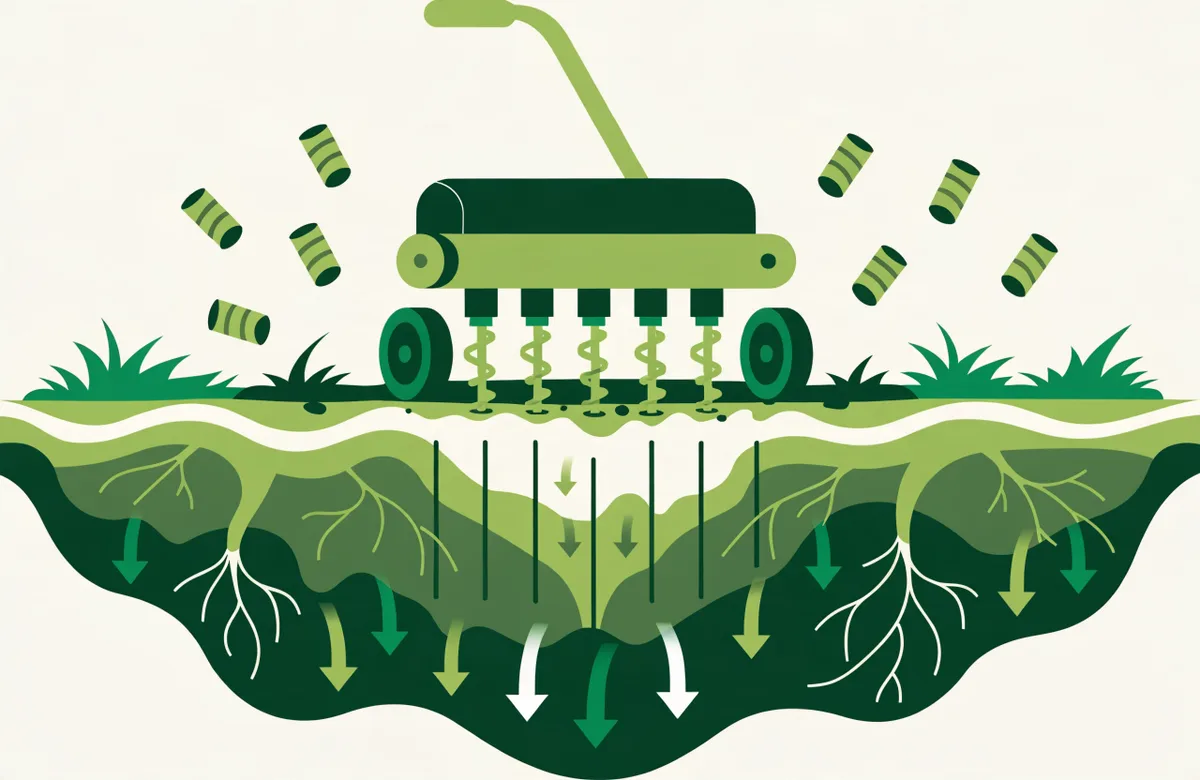
What is core aeration, and why does your lawn need it?
Core aeration is the process of pulling thousands of small plugs (“cores”) of soil out of your lawn with a machine fitted with hollow tines. Each hole it leaves behind is a channel that lets air, water, and fertilizer travel straight down to the root zone instead of sitting on a hard, sealed surface. The plugs are left on top to break down and naturally top-dress the lawn.
Over time, every lawn’s soil gets compacted — squeezed tight by foot traffic, mowers, rain, and its own weight. Compacted soil has almost no pore space, so roots can’t breathe, water runs off instead of soaking in, and grass thins out no matter how much you feed or water it. In Chatham, where the soil is naturally heavy clay that compacts fast and drains slowly, this happens sooner and hits harder than on sandy ground — which is exactly why annual aeration is such a high-value service here.
Core aeration vs. spike aeration
We use true core (plug) aeration — not spike aeration. Spikes just poke holes and shove soil sideways, which can make compaction worse on clay. Pulling cores physically removes soil, so the ground actually loosens.
- Core (plug) aeration. Hollow tines remove plugs of soil, genuinely relieving compaction and opening channels. The method that works.
- Spike aeration. Solid tines just punch holes and compress soil to the sides — little real benefit, and worse on clay.
- Cores left on top. Plugs break down within a couple of weeks and top-dress the surface, feeding the soil naturally.
- Best paired with seed. Open holes give overseeded grass ideal soil contact — the single most effective lawn-thickening combo.
Signs your lawn needs aeration
Compaction builds up gradually, so the symptoms are easy to blame on other things. If you recognize any of these around your Chatham lawn, it’s time to aerate:
Hard, compacted ground
If the lawn feels rock-hard underfoot or you can't easily push a screwdriver into the soil, it's compacted — the classic sign, and very common on clay.
Water pools or runs off
Puddling after rain or water sheeting off instead of soaking in means the soil surface is sealed and can't accept moisture.
Thinning grass despite care
A lawn that stays thin and struggles even with regular mowing, feeding, and watering is often being choked by compacted roots.
Heavy foot or equipment traffic
Play areas, pet runs, and paths where people cut across the lawn compact fastest and benefit most from annual aeration.
Thatch buildup
A spongy layer of dead material more than half an inch thick blocks water and air; aeration helps break it down.
It's been over a year
On Chatham clay, most lawns should be aerated annually. If you can't remember the last time, it's overdue.
The best time to aerate a lawn in Ontario
Timing matters. Our cool-season lawns recover best when they’re actively growing but not heat-stressed, which points to two windows — with fall being the clear winner:
Fall — the best window
Late August through October is ideal. The soil is still warm, moisture is reliable, weeds are fading, and the grass has weeks of active growth to heal and fill in. It's also the perfect time to overseed. Ask about our fall service offer.
Spring — the runner-up
Late April into May, once the ground has dried enough to work, is a solid second choice — especially if a lawn is badly compacted and can't wait until fall. Recovery is good, though spring aeration can open the door to some weed seeds.
We avoid aerating in the heat and drought of mid-summer, when the lawn is already stressed and recovery is slow. Planning ahead for fall? Check our seasonal fall service offer — fall aeration and overseeding is the best value in lawn renovation.
Aeration + overseeding: the ultimate lawn-thickening combo
Aeration and overseeding are good on their own, but together they’re the single most effective way to renovate a thin, tired lawn — and early fall is the perfect time for both. The freshly pulled cores create thousands of little pockets of open, loosened soil, and grass seed dropped over them settles right into those holes.
That gives the seed exactly what it needs to germinate: direct soil contact, protection from birds and wind, and steady moisture. The result is far better germination than simply scattering seed on a hard surface — a noticeably thicker lawn that crowds out weeds and stands up to summer.
Why the combo beats either service alone
- Aeration holes give seed ideal soil contact and moisture.
- New grass fills thin spots and crowds out weeds naturally.
- One visit relieves compaction and thickens the lawn at once.
- Fall timing means cool weather and warm soil — perfect for seed.
- Builds a deeper-rooted lawn that better handles clay and drought.
Want the full renovation? Add overseeding to your aeration, and keep the new lawn fed with our fertilization program.
Our lawn aeration process
A good aeration job is about coverage and timing, not just running a machine over the lawn. Here’s how a Chatham Lawn Care aeration visit runs:
1. Prep & moisture check
Aeration works best when soil is slightly moist — not bone-dry or soggy. We check conditions and, ideally, aerate a day or two after rain or watering so the tines pull deep, full cores instead of bouncing off hard clay.
2. Mark hazards & locate
We note sprinkler heads, shallow lines, invisible-fence wires, and other obstacles before we start, so nothing gets damaged as we cover the lawn.
3. Core the lawn thoroughly
We run the aerator across the whole lawn — and make a second pass in high-traffic or badly compacted areas — pulling thousands of plugs for even, effective coverage.
4. Overseed (optional but recommended)
If you're overseeding, we apply a quality cool-season seed blend right after aerating, while the holes are open, for maximum seed-to-soil contact and germination.
5. Leave the cores to break down
We leave the plugs on the surface. They crumble and disappear within a couple of weeks, top-dressing the lawn and returning organic matter to the soil — no cleanup needed.
6. Aftercare guidance
We walk you through watering, especially if you overseeded, and when to resume mowing and feeding, so your lawn makes the most of the fresh start.
Aeration & cost in Chatham’s clay soil
Chatham sits on southwestern Ontario’s clay plain — great farmland, but soil that compacts quickly and drains slowly. That’s precisely why annual core aeration pays off so well here. Core aeration for a typical residential lawn generally runs about $80 to $200; bundling with overseeding costs more but delivers the best results. Here’s what affects the price:
Lawn size
More area means more time and passes — the main driver of the cost.
Adding overseeding
Aeration + overseed bundles cost more but give far better value than either alone.
Access & terrain
Slopes, gates, and hard-to-reach backyards add time to the job.
Compaction level
Badly compacted lawns may need a second pass for full coverage.
Obstacles
Lots of beds, trees, and sprinkler heads to work around add care and time.
Bundling services
Pairing aeration with fertilization or cleanup can be more economical than separate visits.
We’ll give you a firm, property-specific price with your free quote within 24 hours.
Lawn aeration FAQ — Chatham
Straight answers to the questions we hear most about lawn aeration in Chatham and across Chatham.
When should you aerate your lawn in Ontario?
The best time to aerate a cool-season lawn in Ontario is early fall, roughly late August through October, when the soil is still warm, moisture is reliable, and the grass has weeks of active growth to recover and fill in the holes. Spring — around late April through May, once the ground has dried enough to work — is the second-best window. We avoid aerating in the heat and drought of mid-summer, when the lawn is stressed and recovery is slow.
How often should a lawn be aerated?
Most lawns benefit from core aeration once a year, and Chatham's heavy clay soils are firmly in that camp because clay compacts easily and quickly. Lawns on lighter, sandier soil, or those with low foot traffic, can often go every two to three years. If your lawn feels hard underfoot, sheds water, or has thinning grass despite regular care, that's a sign it needs aerating more often rather than less.
How much does lawn aeration cost in Chatham?
Core aeration for a typical residential lawn in Chatham generally runs about $80 to $200, depending mainly on lawn size and access. Bundling aeration with overseeding — the most effective combination for a thicker lawn — costs more but delivers far better results than either service alone, and it's the single best value in lawn renovation. We give a firm, property-specific price with your free quote.
Does aeration help clay soil?
Yes — clay soil is exactly where core aeration helps the most. Heavy clay, like the soil across much of Chatham, packs down tightly and squeezes out the air and pore space that roots need, so water runs off instead of soaking in. Pulling thousands of small cores opens up that compacted soil, letting air, water, and nutrients finally reach the root zone. Aerating clay every year, ideally with overseeding, steadily builds a deeper-rooted, more resilient lawn.
What is the difference between core aeration and spike aeration?
Core (or 'plug') aeration pulls out thousands of small plugs of soil, physically removing material to relieve compaction and create open channels — this is the method that actually works. Spike aeration just pokes holes with solid tines, which pushes soil aside and can make compaction worse on clay. We use true core aeration with hollow tines, and we leave the cores on the lawn to break down and top-dress the surface naturally.
Should I aerate and overseed at the same time?
Yes — aerating and overseeding together is the most effective way to thicken a lawn, and early fall is the ideal time for both in Ontario. The aeration holes give grass seed direct contact with the soil, protection, and moisture, dramatically improving germination compared with tossing seed on top. The freshly opened soil, warm ground, and cooler fall weather give the new grass an ideal head start before winter.
Do I need to water after aeration?
Watering after aeration speeds recovery and, if you've overseeded, is essential for germination. Keep the top inch of soil consistently moist for the first two to three weeks — light watering once or twice a day for new seed, tapering off as it establishes. Aeration itself also helps your watering go further afterward, because water now soaks into the root zone instead of running off compacted soil.
Give your lawn room to breathe
Break up compacted clay soil and let air, water, and nutrients reach the roots. Get a free, no-obligation aeration quote for your Chatham property — and ask about bundling with overseeding for the thickest lawn of your life.
Serving Chatham and the surrounding Chatham communities.