Gravel Driveway Rejuvenation, Regrading & Repair in Chatham
Gravel driveway rejuvenation brings a tired, rutted, or potholed driveway back to a smooth, firm, well-draining surface — without the cost of paving. It combines regrading, pothole and rut repair, fresh crushed stone, and crown restoration so water sheds off instead of pooling and washing the surface out. Across Chatham and the rural roads of Chatham, Chatham Lawn Care restores residential driveways and long farm laneways alike — built to stand up to clay soil, frost, and heavy traffic.
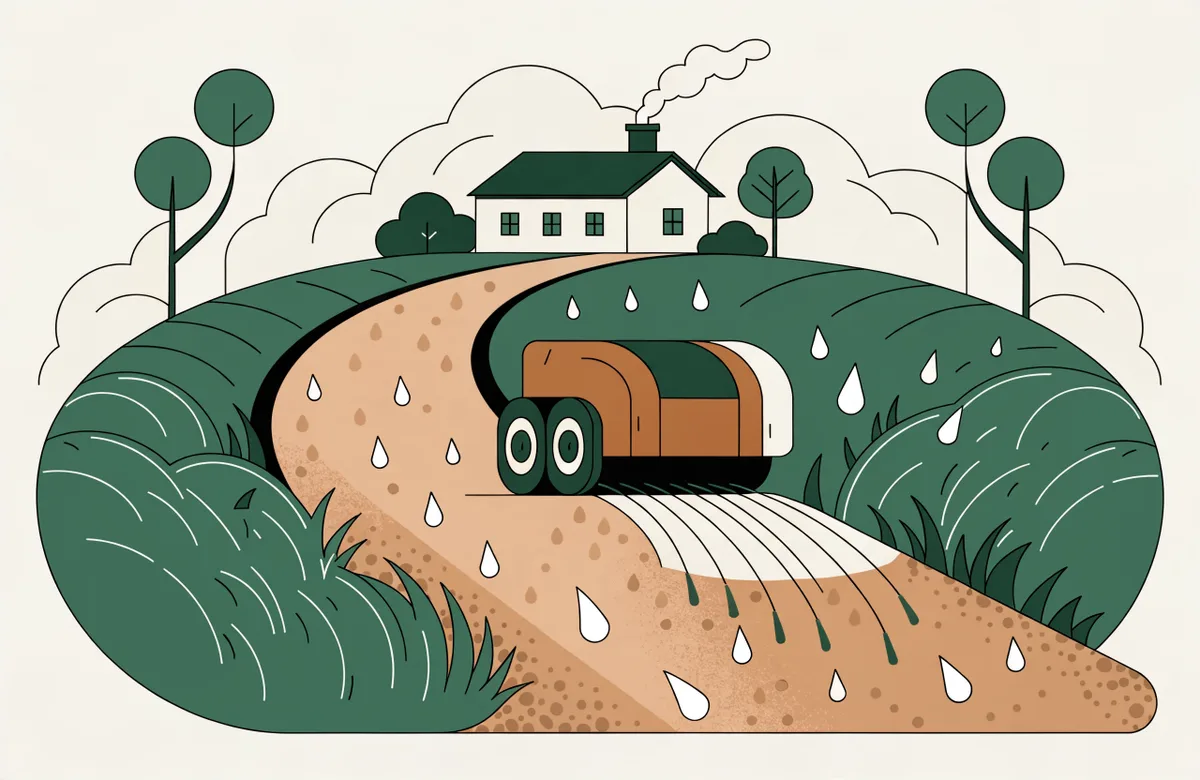
See the difference: before & after
A worn gravel driveway doesn’t just look rough — the flattened crown and standing water are quietly destroying the base. Here’s the transformation a proper rejuvenation makes: from potholed, rutted, and puddled to a smooth, crowned, free-draining surface built to last.
Illustration of a typical rejuvenation. Ask us for recent before-and-after photos of driveways near you across Chatham.
What gravel driveway rejuvenation includes
“Rejuvenation” is more than dumping a load of gravel and spreading it around. A proper restoration rebuilds the shape and drainage of the driveway so the repair actually lasts. A full Chatham Lawn Care rejuvenation can include:
Regrading & leveling
Machine-grading the whole surface to pull material back into place, smooth out the ride, and re-establish a consistent, even profile end to end.
Pothole & rut repair
Cutting out soft spots, filling and compacting potholes and wheel ruts with binding crusher run so they don't immediately reopen.
Fresh gravel / crushed stone
Topping up or rebuilding the surface with the right aggregate — crusher run, limestone, or clear stone — matched to your driveway and soil.
Crown restoration for drainage
Reshaping a slight peak down the centre so water sheds to both sides instead of ponding — the single most important step for a durable driveway.
Edging & definition
Cutting back grass, weeds, and encroaching sod so the driveway keeps its full width and the edges don't crumble away.
Dust control
Optional dust-suppressant treatment for busy or long laneways to cut down on the dust cloud from traffic in dry weather.
Signs your gravel driveway needs rejuvenation
Gravel driveways wear gradually, then all at once. Catching these signs early keeps the fix simple — a quick regrade instead of a full base rebuild. Watch for:
Potholes
Bowls that collect water and jar your vehicle. They grow fast once they form, because standing water keeps softening the base underneath.
Ruts & tire tracks
Parallel grooves worn where tires travel show the gravel is being pushed aside and the crown has flattened out.
Washboarding
A rippled, teeth-rattling surface — usually near stops and turns — caused by a loose surface with too little binding material.
Poor drainage & puddles
Water sitting on the driveway after rain means the crown is gone. Standing water is the root cause of almost every other problem.
Weeds & grass in the surface
Vegetation taking hold signals the gravel has thinned and the driveway is narrowing as the edges grow in.
Thinning, bare, or muddy spots
Exposed subsoil, mud tracking onto the road, and areas where the stone has worn through mean it's time to top up the surface.
Our gravel driveway rejuvenation process
We fix the cause, not just the symptom, so the driveway holds up through Chatham’s freeze-thaw cycles and wet springs. Here’s how we work:
1. On-site assessment
We inspect the full length, gauge the base condition, find where water sits and where it should go, and measure the driveway. You get a clear scope and a firm written quote.
2. Reclaim & regrade
We machine-grade to pull displaced gravel back from the edges, break up washboarding and hardpan, and knock down the high spots so we're working with a true, even base.
3. Repair potholes & soft spots
We dig out failed areas, fill and compact them with binding crusher run, and address any spots where the base has gone soft from trapped water.
4. Add & blend fresh aggregate
Where the surface is thin, we bring in the right new stone, blend it into the existing driveway, and grade it to a uniform depth across the full width.
5. Restore the crown & drainage
We shape a centre crown so water sheds to both sides, and clean or cut roadside ditches, swales, or culverts so runoff has a path away from the driveway.
6. Compact & finish
We compact the surface for a firm, stable finish you can drive on right away, then clean up. The result is a smooth, properly draining driveway built to last.
Types of gravel & aggregate — and which suits your property
Not all gravel behaves the same. The right choice depends on whether you want a firm surface, better drainage, or a strong base under a heavy rural laneway. These are the aggregates we use most on Chatham driveways:
| Aggregate | What it is | Best use |
|---|---|---|
| Crusher run (Granular A, 3/4") | Crushed stone blended with stone dust that binds and compacts hard. | The go-to driveway surface — firm, stable, sheds water well. Ideal top layer for most Chatham driveways. |
| Crushed limestone | Angular crushed limestone; packs tightly and locks together. | A durable, good-looking surface that stays put. Popular for residential driveways and defined laneways. |
| 3/4" clear stone | Washed stone with no fines, so it's all voids and drains freely. | Where drainage is the priority or under a French drain. Stays looser underfoot, so less ideal as a stand-alone surface. |
| Granular B / larger base stone | Larger crushed stone used as a deep structural base. | Building or rebuilding the base under soft, clay-heavy, or heavily trafficked rural and farm laneways. |
For most rural Chatham properties we build a strong larger-stone base where the ground is soft and finish with 3/4" crusher run on top for a surface that binds, compacts, and drains. On the region’s heavy clay, that base matters — clay offers little support on its own, so the right sub-base is what keeps the driveway from rutting again.
How a proper crown & drainage prevent future damage
Here’s the single most important thing to understand about gravel driveways: water is what destroys them.Every pothole, rut, and washboard ripple traces back to water sitting on or in the surface, softening the base until traffic pushes the gravel out of the way. Fix the water and you fix the driveway for years; ignore it and you’ll be filling the same potholes every spring.
A crown — a gentle peak running down the centre, dropping a few percent to each side — makes water shed off the driveway in seconds instead of soaking in. Paired with clear roadside ditches, swales, or culverts to carry that water away, the crown keeps the base dry and firm through freeze-thaw season. This is why we treat crown and drainage as the heart of the job, not an afterthought.
On flat or low-lying Chatham lots, sometimes shedding water off the surface isn’t enough — the water has nowhere to go. In those cases a subsurface drain solves it. Our French drain & yard drainage service uses the same drainage-first approach to intercept groundwater alongside a driveway or across a soggy yard, so the two services frequently go hand in hand.
Why drainage-first pays off
- A restored crown sheds water in seconds, keeping the base dry.
- A dry base doesn't soften, so potholes and ruts stop forming.
- Clear ditches and culverts carry runoff away from the driveway.
- On flat clay lots, a French drain removes water grading can't.
- Solving the water once means far fewer repairs every year.
Seasonal timing: when to rejuvenate
Spring is the busiest and best time. Once the frost leaves the ground and the driveway firms up, regrading repairs the ruts and potholes that winter and the spring thaw carved in — and resets the crown before the wet season really sets in.
Fall is the other ideal window. A regrade and crown restoration before winter means water and snowmelt shed off cleanly all season instead of pooling and freezing, so you head into spring in far better shape. Summer works well too for bigger rebuilds, when dry weather makes compaction easiest.
Planning fall work? Ask about our current seasonal fall offer when you request your quote.
Maintenance tips to make it last
- Keep roadside ditches and culverts clear so water always has an exit.
- Rake or drag loose gravel back toward the centre a few times a season.
- Fill small potholes early — before water widens them into big ones.
- Keep grass and weeds cut back off the edges to hold the full width.
- Book a light regrade once a year (twice for busy rural laneways).
- Top up with fresh crusher run before the surface wears down to subsoil.
What affects gravel driveway cost in Chatham?
Rejuvenation projects range from about $500 for a short residential regrade and top-up to $3,000+ for a long rural or farm laneway that needs new stone, crown rebuilding, and drainage work. What moves the price:
Length & width
More surface area means more grading, more stone, and more time — the biggest single factor.
Volume of new gravel
A light top-up costs far less than rebuilding a worn-out base with fresh aggregate.
Condition & base repair
Deep potholes, soft spots, and a failed base take more work than a straightforward regrade.
Drainage work
Restoring the crown, cutting ditches, or adding culverts or a French drain adds cost but prevents repeat damage.
Aggregate type
Premium or larger base stone and dust-control treatment cost more than a standard crusher-run top-up.
Access & site
Tight access, long hauls, and heavily clay-bound rural sites take extra time and equipment.
Because every driveway is different, the accurate way to price yours is a free on-site quote — we’ll measure it, assess the base and drainage, and give you a clear written number within 24 hours.
Gravel driveway FAQ — Chatham
Common questions about gravel driveway repair, regrading, and rural laneway maintenance across Chatham and Chatham.
How much does gravel driveway rejuvenation cost in Chatham?
Most gravel driveway rejuvenation projects in Chatham range from about $500 for a light regrade and top-up on a short residential driveway to $3,000 or more for a long rural or farm laneway that needs regrading, fresh crushed stone, and crown restoration. The cost depends on the driveway's length and width, how much new gravel it needs, and whether drainage or edging work is included. A free on-site quote is the only way to get an accurate figure, and we respond within 24 hours.
How often should a gravel driveway be regraded?
Most gravel driveways in Chatham benefit from a regrade once a year, typically in spring after the frost leaves and the ground firms up, with a lighter touch-up in fall. Busy rural laneways, farm driveways, and driveways on heavy clay may need grading twice a year because ruts and potholes form faster. Staying on a regular schedule is far cheaper than letting the crown wash out and having to rebuild the base with fresh stone.
What is the best gravel for a driveway in Chatham?
For most Chatham driveways the best surface is 3/4-inch crusher run (also called Granular A or road base) — a mix of crushed limestone and stone dust that locks together and compacts into a firm, stable surface. A deeper base of larger crushed stone underneath is ideal for soft, clay-heavy, or rural sites, while 3/4-inch clear stone is better where drainage is the priority but it stays looser underfoot. We match the aggregate to your soil, traffic, and drainage rather than using one product for every job.
Can you fix a gravel driveway that holds water or floods?
Yes. Water pooling on a gravel driveway almost always means the crown has flattened or the driveway has no drainage, so water sits and washes out the surface. We restore the crown so water sheds to the sides, add or clean roadside ditches and swales, and where needed install culverts or a French drain to carry water away. Fixing the drainage is what makes the repair last — regrading without solving where the water goes just leads to the same potholes next season.
What causes potholes, ruts, and washboarding on a gravel driveway?
Potholes and ruts form when water sits on the surface, softens the base, and traffic pushes the saturated gravel aside — so they are really a drainage and crown problem, not just worn gravel. Washboarding (a rippled, bumpy surface) comes from repeated braking, acceleration, and turning on a loose surface with too little binder. The durable fix is to restore the crown, add binding crusher run, and make sure water drains off — not simply to throw loose stone into the holes.
Do you service long rural and farm driveways?
Yes. Rural laneways and farm driveways are a core part of what we do across Chatham, and they have different needs than a short city driveway — longer runs, heavier loads from trucks and equipment, softer clay bases, and roadside ditches that have to be maintained. We regrade the full length, restore the crown, top up or rebuild the base with the right aggregate, and manage the drainage so the laneway stands up to real farm traffic.
How long does gravel driveway rejuvenation take?
A typical residential gravel driveway regrade and top-up is usually completed in a single day, and often in a few hours. Longer rural laneways, driveways that need a substantial amount of new stone, or jobs that include crown rebuilding and drainage work can take one to two days. We give you a clear timeline in your written quote, and because the driveway is compacted as we go, you can normally use it right away.
Is it better to rejuvenate a gravel driveway or pave it?
For most rural and semi-rural Chatham properties, rejuvenating the gravel driveway is far more cost-effective than paving — it costs a fraction of asphalt, handles frost heave and heavy farm traffic better, and is easy to repair in sections. Paving makes sense on short, well-drained suburban driveways where you want a hard surface and minimal upkeep. If you want to keep a low-cost, flexible surface that suits a country property, a well-maintained gravel driveway is usually the smarter long-term choice.
Bring your driveway back to smooth & solid
Get a free, no-obligation quote to rejuvenate your gravel driveway or rural laneway. We’ll assess the surface, base, and drainage and send a clear written quote within 24 hours.
Serving Chatham and the surrounding Chatham communities.