Sod Installation in Chatham
Sod installation gives you a fully established lawn in a single day instead of waiting weeks for seed to fill in. We handle every step — soil preparation, grading, laying fresh sod tight for even coverage, rolling, and getting you started on the right watering schedule— so the new lawn actually takes root. It’s the fastest way to a finished lawn on new-build lots, large bare or damaged patches, and full yard renovations across Chatham.
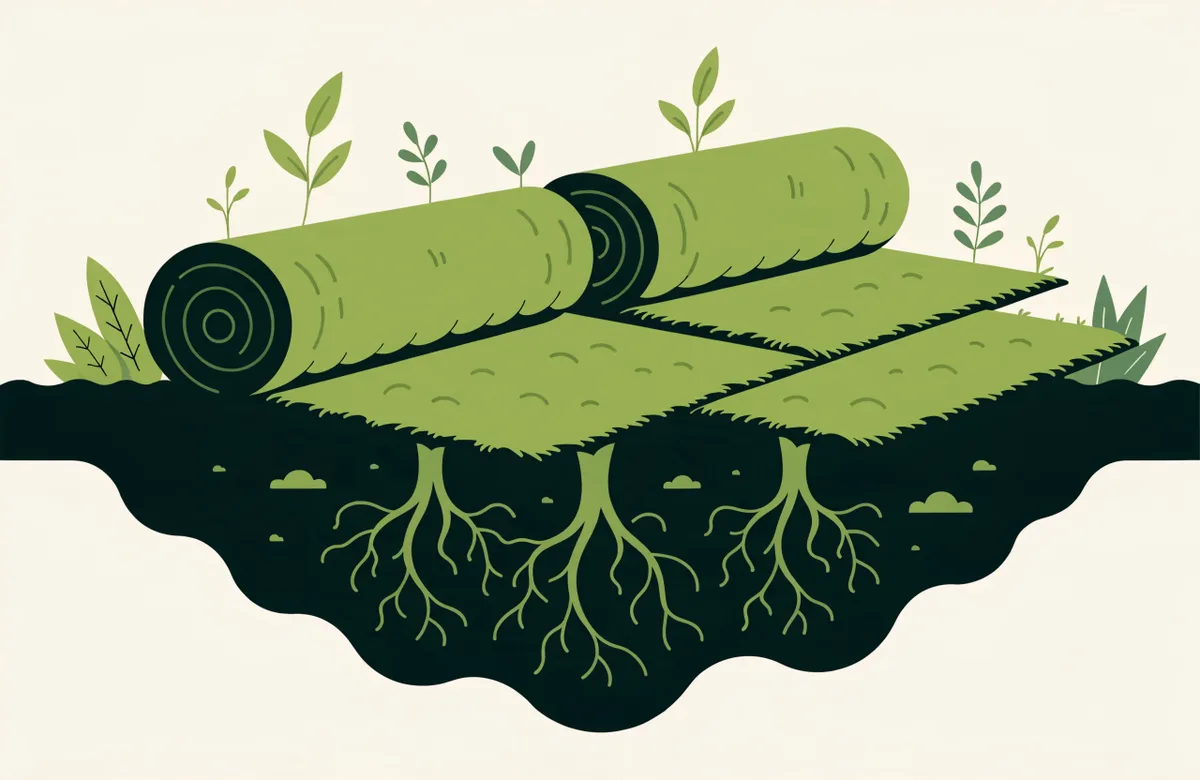
What sod installation actually involves
Sod installation is more than unrolling rolls of grass onto dirt — the prep work underneath is what determines whether the lawn thrives or struggles. Our process covers every step:
Soil preparation & grading
We remove old lawn, debris, and rock, then grade the site so water drains away from your home and the finished surface is smooth and even.
Laying sod for even coverage
Fresh-cut sod is laid in tight, staggered rows — like bricklaying — so seams don't line up, edges knit together cleanly, and there are no visible gaps.
Rolling for soil contact
A lawn roller presses the new sod firmly against the soil beneath, pushing out air pockets so roots make direct contact and can start growing down immediately.
Watering-in
We water the sod thoroughly right after installation and set you up with a clear watering schedule for the critical first two to three weeks.
When sod is the right call
Sod isn’t always the answer — for a lawn that’s merely thin, seed or overseeding is usually the more economical choice. Sod earns its cost when you need a finished lawn fast or you’re starting from bare ground:
- New-build lots with no topsoil or grass established yet — sod gives you a real lawn on day one instead of a construction site.
- Bare or badly damaged patches too large to fix with overseeding alone, such as areas killed off by grubs, drainage problems, or heavy equipment traffic.
- Full yard renovations where you're starting over and want an even, weed-free lawn from the very first day rather than watching it fill in.
- Anyone who needs faster results than seeding can offer — sod is usable within a few weeks, while seed takes a full season to look established.
Sod vs. grass seed & overseeding
Sod and seed both grow the same grass in the end — the real difference is speed, cost, and timing:
| Factor | Sod | Seed / overseeding |
|---|---|---|
| Results | An established, walkable lawn essentially the same day it's installed. | Takes a full season (or more) to fill in and look mature. |
| Upfront cost | Higher — you're paying for grown, harvested turf plus installation. | Lower — seed and labour cost far less per square foot. |
| Timing window | Can be installed almost any time the soil isn't frozen. | Best success comes from an early-fall planting window. |
| Best use case | Bare ground, new builds, large dead patches, full renovations. | Thickening a lawn that already has decent grass coverage. |
If your lawn just needs thickening rather than a total do-over, our overseeding service is almost always the more cost-effective route. We’ll give you an honest recommendation for your yard with your free quote.
How we prep your site
Sod is only as good as the ground underneath it. We start by removing the old lawn, roots, and any construction debris, then grade the site so water sheds away from your foundation instead of pooling. Where the existing soil is thin or poor, we add topsoil to give the new roots something worth growing into.
Once the base is ready, sod is laid in tight, staggered rows so seams don’t line up from one row to the next — the same principle as laying brick — for a lawn that knits together into one continuous surface rather than a patchwork of visible strips. A final rolling presses everything into firm contact with the soil below.
The first 2-3 weeks: watering schedule
Watering is the single most important factor in whether new sod survives.
- Week 1: water daily, enough to keep the sod and top layer of soil consistently moist to the touch.
- Weeks 2-3: begin tapering to every other day as roots start knitting down into the soil.
- After roots have set: shift to deeper, less frequent watering to encourage roots to grow further down.
- Avoid heavy foot traffic, pets, and mowing until the sod has rooted in, usually two to three weeks.
What does sod installation cost in Chatham?
Sod installation cost varies more than most lawn services because every property starts from a different condition. Here is what drives the price:
Lot size
The area of sod needed is the main driver of price — more square footage means more material and labour.
Site prep & grading
Sites needing significant grading, drainage correction, or topsoil have more work before the sod ever arrives.
Old lawn removal
If an existing lawn or heavy weeds need to be stripped out first, that adds a step before installation can begin.
Delivery access
Sod is heavy and perishable — tight lots, fenced yards, or long carries from the driveway can add time and cost.
Ground condition
Rocky, compacted, or uneven ground takes longer to prepare than a clean, level site.
Sod quantity
Larger orders are typically more efficient per square foot than small top-up jobs.
Because every yard is different, we don’t quote sod work from a generic price sheet — we’ll assess your site and give you a firm, property-specific price with your free quote within 24 hours.
Sod installation FAQ — Chatham
Straight answers to the questions we hear most about sod installation in Chatham and across Chatham.
What is the best time of year to install sod in Ontario?
Spring and early fall are the ideal windows for sod installation in Chatham, because cooler temperatures and more reliable rainfall reduce watering stress while the roots knit into the soil. That said, sod can be installed almost any time the ground isn't frozen and isn't in the middle of extreme summer heat, which is one of its biggest advantages over seeding. If a summer install is unavoidable, we simply adjust the watering schedule to compensate for the added heat stress.
How soon can I walk or mow on new sod?
Give new sod about two to three weeks before regular foot traffic and mowing, which is roughly how long it takes for roots to knit down into the soil beneath. Light walking to check on it is fine after the first week, but avoid pets, play, and equipment on it before then or you risk pulling up pieces before they've rooted. We'll give you a specific timeline based on the season and how quickly your sod is rooting in.
How much does sod installation cost in Chatham?
Sod installation cost depends mainly on the size of the area, how much site preparation and grading it needs, and whether an existing lawn has to be removed first. Sites with easy delivery access and minimal prep cost less than large areas needing significant grading or old-lawn removal. Because every property is different, we provide a firm, written price with your free on-site quote rather than a generic estimate.
Should I choose sod or overseeding for my lawn?
Sod is the right call for bare new-build lots with no topsoil or grass, large damaged or dead patches, and full lawn renovations where you want an established lawn right away. Overseeding is the better fit for a lawn that's thin or patchy but still has decent grass coverage overall, and it costs significantly less than sodding the same area. If you're not sure which applies to your yard, our free quote includes an honest recommendation — see our overseeding page for more on that option.
Does new sod need special watering?
Yes — watering is the single most important factor in whether new sod survives, and it needs daily watering to keep the top few centimetres of soil consistently moist for the first two to three weeks. Watering runs lighter and more frequent at first, then gradually shifts to deeper, less frequent sessions as the roots establish and knit into the ground below. Skimping on watering in that first stretch is the most common reason new sod fails.
Can sod be installed over an existing lawn, or does it need to be removed first?
The old lawn needs to be removed first — sod laid directly over existing grass or thatch won't make proper soil contact, so the roots can't establish and the new lawn fails. Our process strips the old turf, grades the bare soil, and adds topsoil where needed before the new sod goes down. Skipping that step is the fastest way to waste money on sod that never takes.
Get an established lawn without the wait
Get a free, no-obligation sod installation quote for your Chatham property. Proper prep, tight seams, and a clear watering plan so your new lawn takes root — with a firm price within 24 hours.
Serving Chatham and the surrounding Chatham communities.